

In the final days of 2025, I analyzed the Analog.Cafe data to identify the top 10 most popular films, implemented an early warning system for Chem Log, and published an article detailing the latest findings in aesthetic science, which explores the elements that contribute to the quality of our photos. Additionally, this month marks the last opportunity to receive free film!
Last week, Boris Cherny, the founder and leader of Anthropic’s widely-used Claude Code programming agent, shared a thread on X discussing how he personally utilized ... Read more
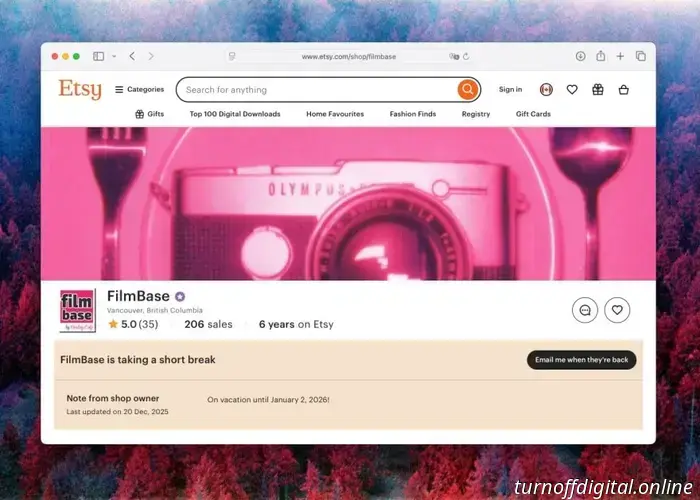
The listings are currently unavailable, and I will not be sending out any new orders. If you have any questions, please don't hesitate to reach out at any time. The Analog.Cafe website will remain fully functional, and new posts will be published as planned. #editorial.

In this episode, you'll hear me accidentally open my loaded film camera, causing a few frames to be ruined (gasp!). More significantly, Daren and I shoot, develop, scan, and share our initial thoughts on the new RETO/Kodak film camera. We are quite impressed. #editorial.
-spooling-production-to-Optik-Oldschool.jpg)
If you’ve come across the review or are familiar with the film, SantaColor is a reprocessed color-negative film intended for aerial surveillance photography that Kodak continues to produce. The Finnish Camera Rescue team was the initial discoverer and distributor of this film for 35mm cameras; however, they announced today that the responsibility for this operation will be transferred to the German manufacturer Optik Oldschool.
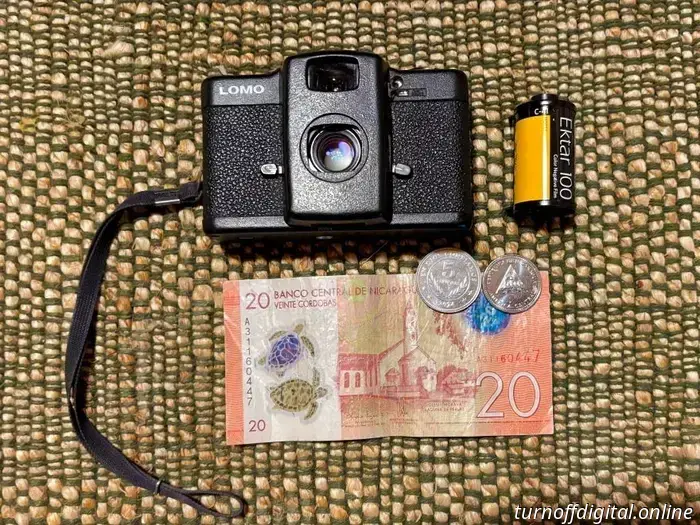
As reported by Kosmo Foto, the iconic design will be discontinued, with the remaining stock serving as the final batch for the camera. The LC-A model is being succeeded by Lomography’s new point-and-shoot camera, the LOMO MC-A (https://www.analog.cafe/comments/4qqw), while production of the LC-Wide and LC-A 120 will persist. #editorial.
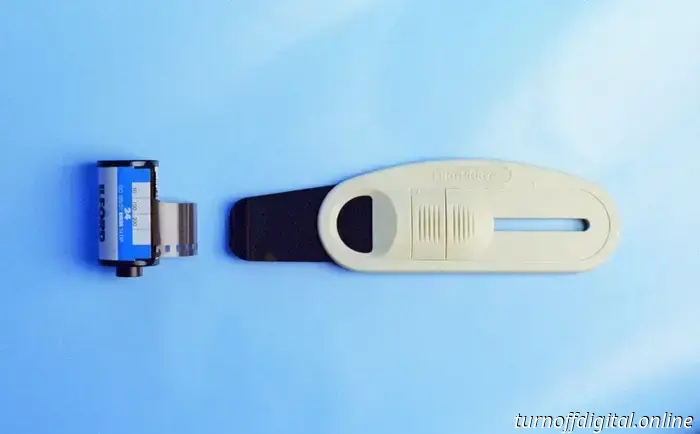
A film picker, also known as a film leader retriever, is often neglected when purchasing supplies for home development. Yet, it is a crucial tool for conserving time and money, as well as preventing frustration. In this guide, I will detail the reasons for using a film picker and demonstrate a few alternative methods for retrieving your film without it.
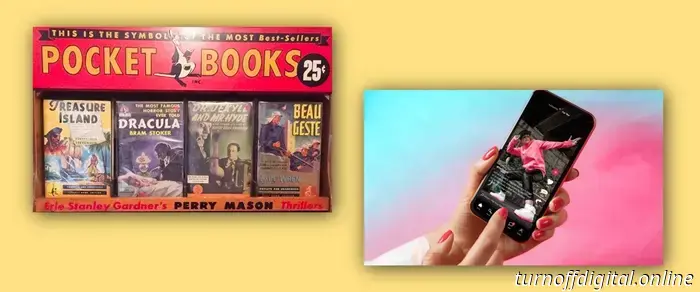
In 1939, Simon & Schuster transformed the American publishing landscape by introducing Pocket Books, a series of small-sized books (measuring 4 by 6 ... Read more
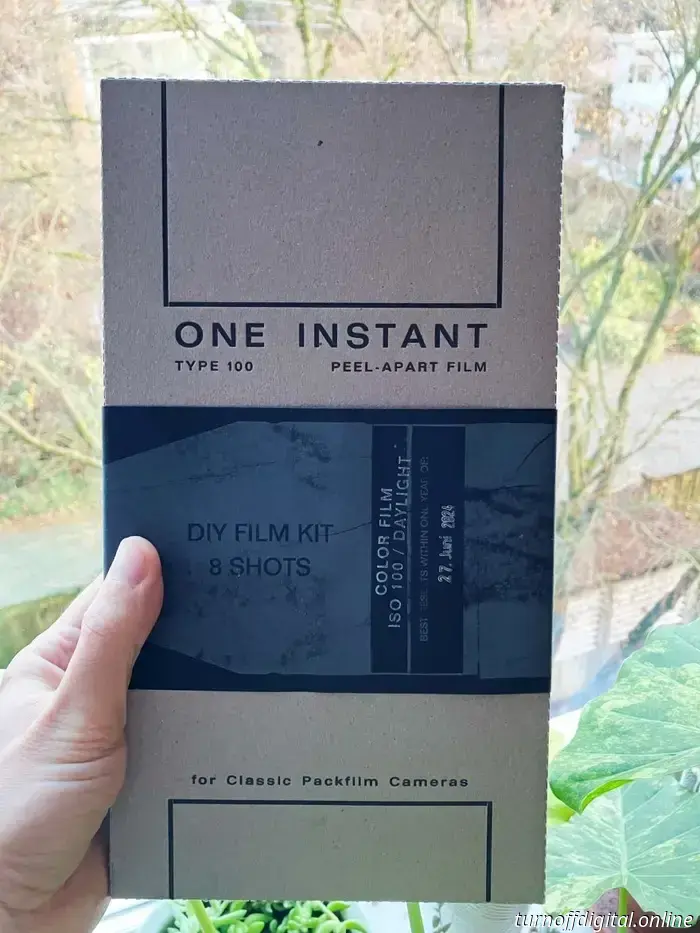
¹ — Kindly view this Analog Resurgence video to grasp what you would be engaging in initially: https://www.youtube.com/watch?v=QrZaQVfWjws #editorial.
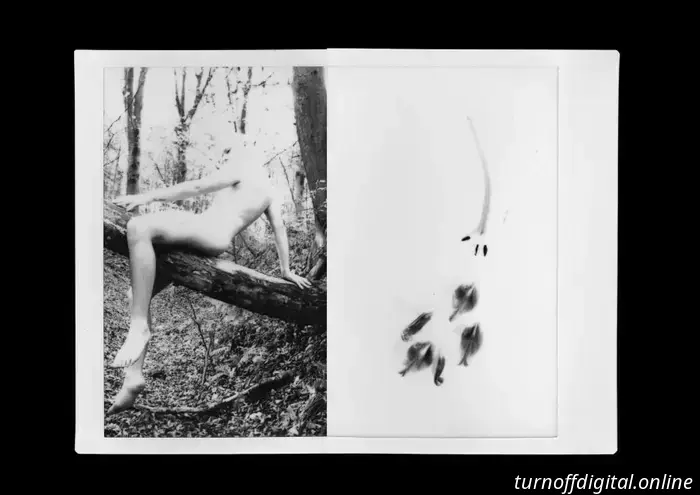
In "Ride a Dragon," Canyon utilizes the direct and tangible language of instant photography to investigate the body as a container of memories and a terrain molded by time. Employing Instax Wide black-and-white film, the artist creates diptychs that display fragmented human figures alongside natural objects such as leaves, shells, petals, and flowers.
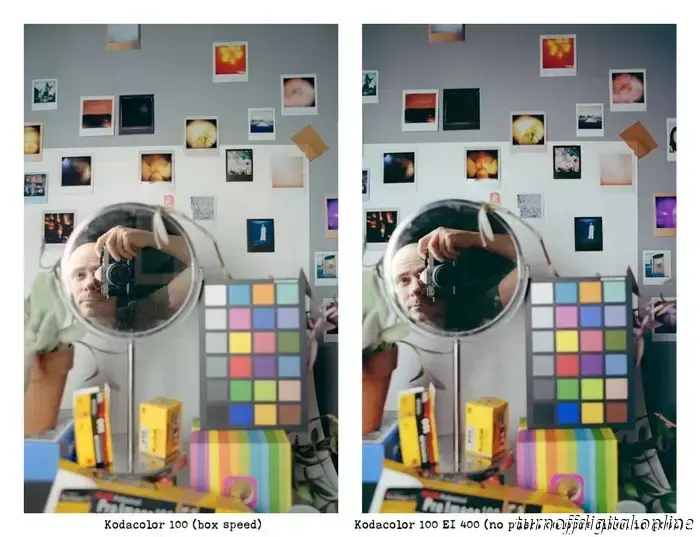
Push-processing refers to the technique of increasing the development time or temperature for your film, allowing it to perform as a more sensitive film than indicated on the packaging. For instance, you can push an ISO 100 film to an exposure index (EI) of 200 by metering it as if it were ISO 200 (providing it one stop less light) and then either requesting your lab to process it accordingly or doing it yourself by extending the development time in the chemicals to enhance the development of shadows and highlights. #editorial.
-Cal-Newport.png)
As of last week, children under 16 in Australia are now prohibited from using a wide range of popular social media platforms.
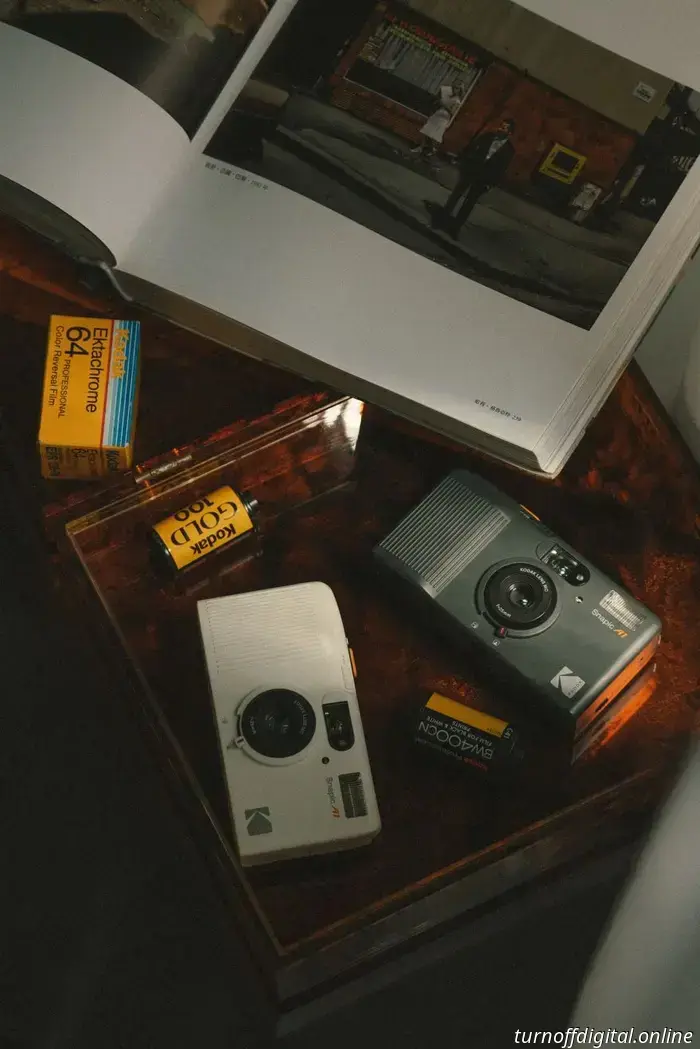
The RETO Project has recently launched a new film camera called Kodak Snapic A1. At the same time, an individual team member is developing a movie camera that utilizes standard 35mm film to achieve higher resolution footage than Super 8, while avoiding the costs and limitations associated with traditional stock, development, and scanning. Additionally, you can download all of Analog.Cafe, find out if Film Ferrania has made a comeback, and see a comparison between Lucky C200 and Kodak Gold.
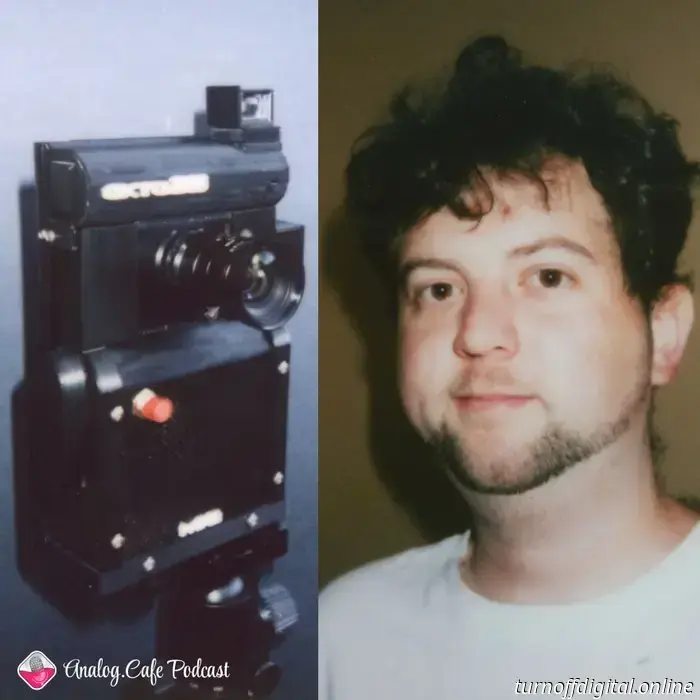
In this episode, Daren and I connect (remotely¹) with Blaž Semprimožnik — a Slovenian engineer who has developed an innovative method for filming movies using standard 35mm film — the type we purchase for our still cameras! #editorial.
Welcome to our website dedicated to digital detox—a practical method that helps you reduce excessive use of electronic devices and social media. In today’s world, smartphones, laptops, and constant notifications surround us, often leading to information overload and heightened stress levels. A digital detox allows you to consciously limit time spent online, giving you back control over your attention.
Here, you’ll find actionable tips on how to gently and effectively curb gadget dependency. We discuss ways to develop healthy habits around smartphone and social media use, establish a daily routine without endless notifications, and truly enjoy “offline reality.” You’ll learn about exercises and relaxation techniques that can help calm your mind and improve concentration, as well as strategies for balancing work, hobbies, and family time.
Our site will serve as your guide to achieving a more balanced relationship with technology, giving you the space to rest, decrease anxiety, and make room for the things that truly matter. Discover a world without constant alerts and experience the positive impact on your overall quality of life!