

Regarding Free Trials.
I have introduced free trials for the GOLD subscriber-exclusive apps and articles on Analog.Cafe to assist you in determining if a membership is a worthwhile commitment.
You can experience Chem Log (analog.cafe/app/chem-log), Film Price Trends (analog.cafe/app/film-price…), and Bulk Roll Calculator (analog.cafe/app/bulk-roll-…) for a week with no restrictions and no need for credit card information. Additionally, you can explore all website features and read member-only articles, such as the recent one, “Pushing Ilford HP5+ to ISO 100,000” (analog.cafe/r/pushing-ilfo…), for 14 days with a card. I will send you a reminder one week before your trial expires.
Memberships have contributed to keeping Analog.Cafe free of ads and 97% accessible at no cost for thousands of readers from 201 countries in 2024. Thank you to everyone who has, is currently, or is considering becoming GOLD members in 2025. Your support is invaluable to this resource and its dedicated full-time staff of one!
-Dmitri.
#editorial🔥 #website
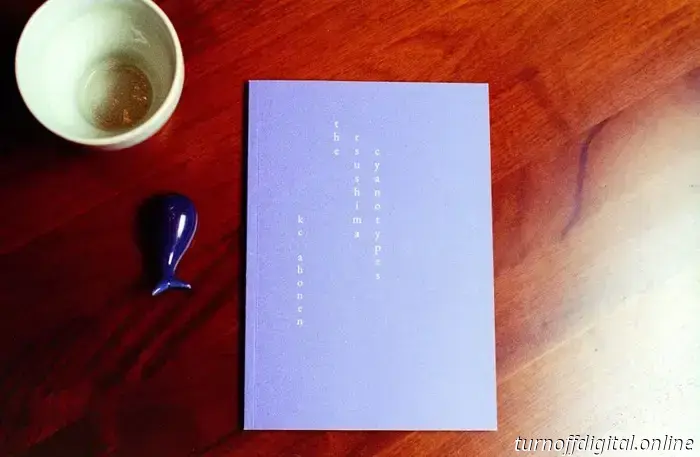
The Tsushima Cyanotypes is a black-and-blue photobook featuring cyanotypes by KC Ahonen, with only 200 copies available. I enjoyed turning the 76 pages of this uncoated A5-sized book and observing the 30 beautifully printed blue-on-white cyanotype images. However, the most powerful element of this book was the artist’s statement, in which KC shared the origins of his images and their strange link to our contemporary existence within a parallel universe of ones and zeros.
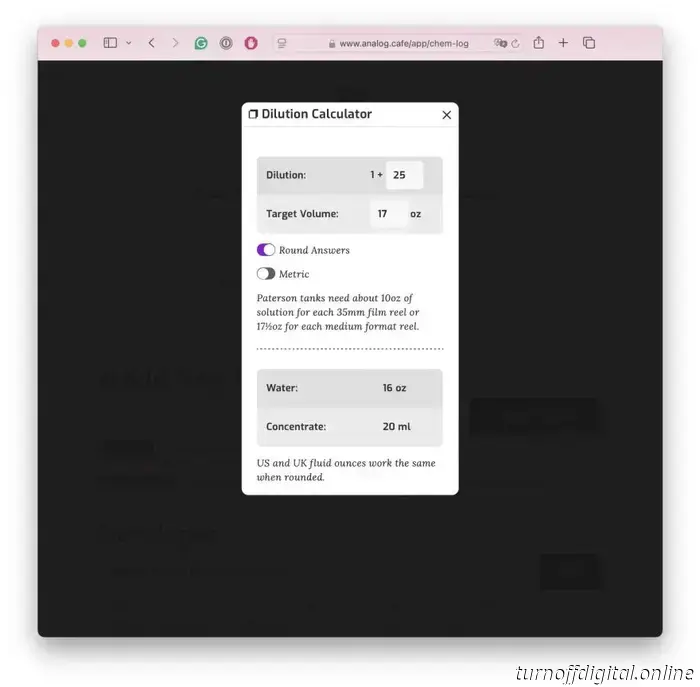
When processing black-and-white film, it may be necessary to determine the dilution ratios of concentrate to water. These ratios vary based on the volume of solution you intend to prepare.
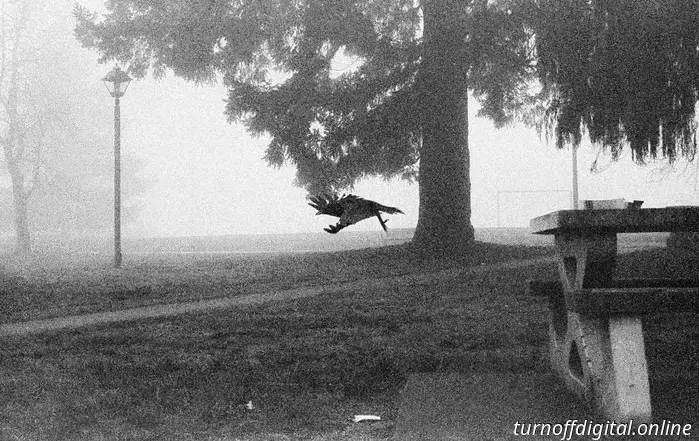
This article serves as a continuation of yesterday's experiment involving pulling HP5+ to ISO 3. While the previous task was relatively straightforward, I cannot necessarily endorse attempting what I am about to discuss. Nevertheless, this resource includes all the techniques and recipes needed to recreate the experiment, along with recommended development times for HP5+ at EI 12800, 25600, and 51200.
As a plastic surgeon, you are probably well aware of the challenges of attracting new patients. While you undoubtedly receive some referrals from other medical professionals as well as satisfied clients, many patients prefer to self-refer. When that happens, the prospective patient will often do a Google search and start scrolling down [...]
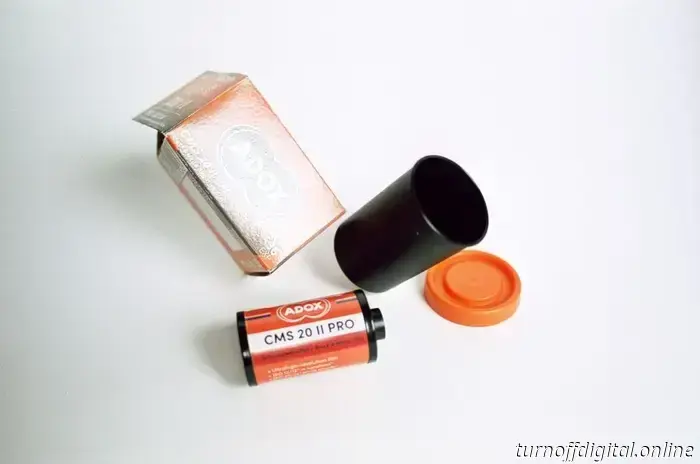
In this review, I discuss my experience with shooting and processing this film using both the specialized Adotech CMS IV developer and the non-specialized Ilford DD-X. I also cover its technical specifications and present the outcomes of my effort to create a 400-megapixel scan, which is the highest resolution I can achieve with my existing hardware and software.

Here is the Spanish translation of the provided text: Running a private jet business requires more than simply offering a means of transportation; it's about creating an unforgettable journey tailored to the discerning tastes of luxury travelers. In today's world, where exclusivity and personalized experiences reign supreme, positioning [...]
I’ve included free trials for the apps and articles exclusive to GOLD subscribers on Analog.Cafe to assist you in determining if a membership is a worthwhile investment. #editorial.